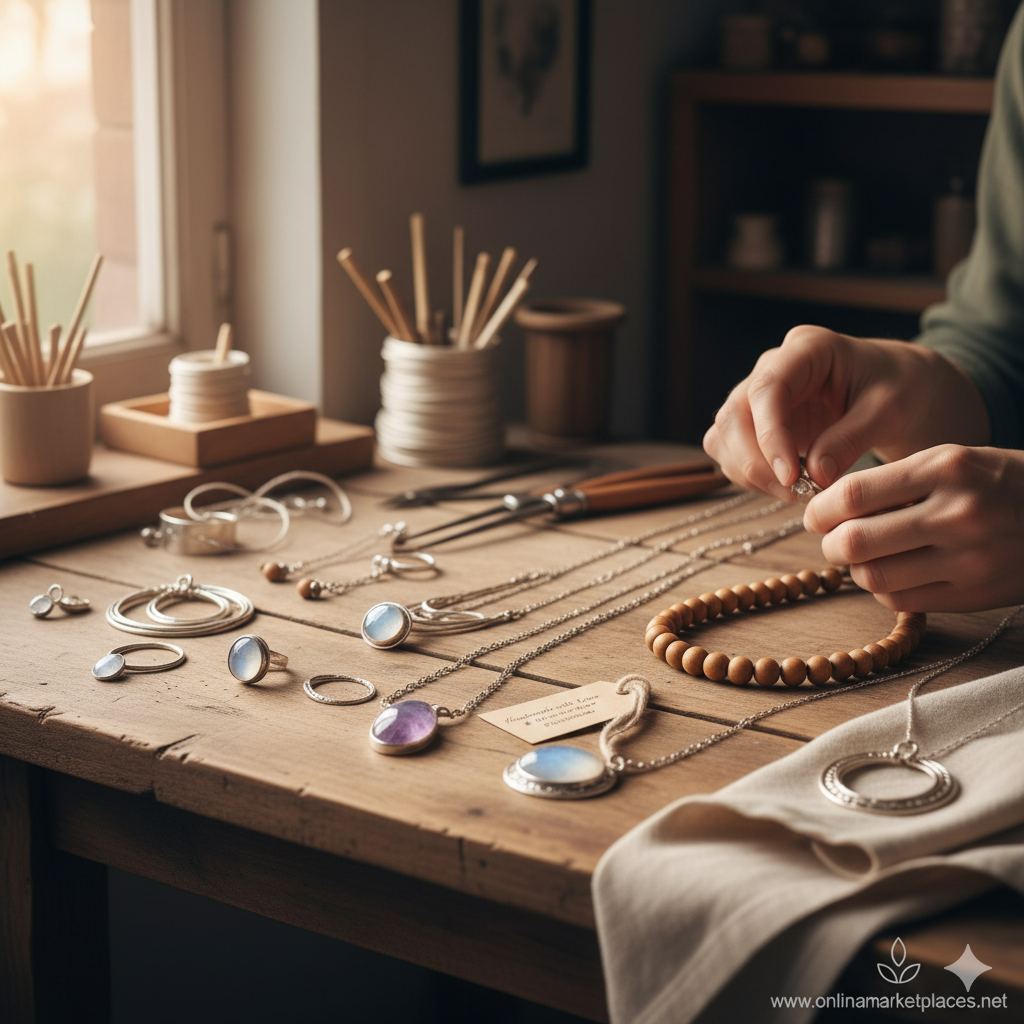
In a world obsessed with instant gratification and fleeting trends, "fast fashion" has become a buzzword, primarily associated with clothing. We've all seen the documentaries and read the articles exposing the environmental and social injustices of cheap, mass-produced garments. But what if I told you that the same insidious problems are rampant in another gleaming industry, one that often escapes the same scrutiny? Welcome to the hidden world of fast fashion jewelry.
Just like its clothing counterpart, fast fashion jewelry prioritizes speed, quantity, and low prices over quality, sustainability, and ethical production. Those trendy necklaces, those affordable rings, the earrings you bought on a whim – they often come with a far greater cost than their price tag suggests.
The Tarnished Truth: Unpacking the Dark Side of Traditional Jewelry
The journey of a piece of mass-produced jewelry, from raw material to your hand, is frequently fraught with devastating consequences.
Environmental Devastation
The pursuit of precious metals and gemstones often leads to highly destructive mining practices. Open-pit mines scar landscapes, destroying ecosystems and biodiversity. The chemicals used in extraction, such as cyanide and mercury, contaminate water sources, poisoning local communities and wildlife. Rainforests are cleared, rivers are diverted, and the very ground beneath us is irrevocably altered – all for a fleeting sparkle. The environmental footprint of a single gold ring, for example, can be staggeringly high, often involving tons of earth being moved and processed.
Dangerous Working Conditions
Imagine working in a dimly lit, poorly ventilated mine shaft, with inadequate safety equipment and the constant threat of collapse. This is the reality for countless miners around the world, particularly in developing countries. Accidents, injuries, and fatalities are tragically common. Exposure to toxic chemicals leads to debilitating long-term health issues, from respiratory illnesses to neurological damage. These are not isolated incidents; they are systemic problems inherent in an industry driven by profit margins and a disregard for human life.
Social Exploitation and Conflict
The allure of precious materials can fuel conflict and exploitation. The term "blood diamonds" became synonymous with gems mined in war zones and sold to finance armed conflicts, causing immense human suffering. While global efforts have been made to curb this trade, the broader issue of exploitation persists. Child labor, forced labor, and unfair wages are rampant in various stages of the jewelry supply chain, particularly in artisanal and small-scale mining operations where regulations are lax or non-existent. Communities are displaced, land rights are violated, and indigenous populations often bear the brunt of mining activities without receiving adequate compensation or protection.
The Luminous Future: Why Ethical and Handmade Jewelry Shines Brighter
Against this dark backdrop, a brilliant movement is emerging: ethical and handmade jewelry. This alternative offers a conscious choice, allowing consumers to adorn themselves with beauty that doesn't come at the expense of people or the planet.
Transparency and Traceability
The cornerstone of ethical jewelry is a commitment to transparency. Reputable ethical jewelers can tell you exactly where their materials come from and how they were sourced. This means knowing the origin of a gemstone, the conditions under which it was mined, or the history of a metal. This level of traceability allows consumers to make informed decisions and ensures that every piece has a story of integrity, not exploitation.
Recycled and Conflict-Free Materials
Ethical brands prioritize the use of recycled precious metals, significantly reducing the demand for new mining and its associated environmental damage. Gold, silver, and platinum can be refined and reused indefinitely without losing their quality. For gemstones, the focus is on conflict-free and ethically sourced options, often verified by independent certifications. Some jewelers even incorporate upcycled materials, giving new life to discarded items and minimizing waste.
Supporting Artisan Communities and Fair Labor
When you buy ethical and handmade jewelry, you are directly supporting skilled artisans and their communities. This often means fair wages, safe working conditions, and opportunities for economic empowerment. Instead of perpetuating a system of exploitation, you are contributing to sustainable livelihoods and preserving traditional craftsmanship. Each piece tells a story of human connection and artistry, rather than mass production. Many ethical brands work directly with cooperatives or small workshops, fostering long-term relationships and ensuring that profits benefit the makers.
The choice is clear. While the allure of cheap, trendy jewelry might be strong, understanding its true cost reveals a far more troubling picture. By embracing ethical and handmade jewelry, we are not just making a purchase; we are making a statement. We are choosing to support a future where beauty and integrity go hand in hand, where craftsmanship is valued, and where every sparkle tells a story of positive impact. Let's make a conscious shift and adorn ourselves with jewelry that truly shines, from its origin to its artistry.
For more information on ethical marketplaces and sustainable products, visit www.onlinemarketplaces.net.